




Karwarra Australian Native Botanic Gardens
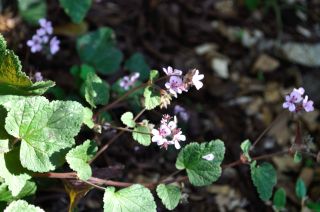
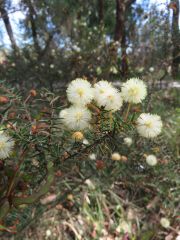
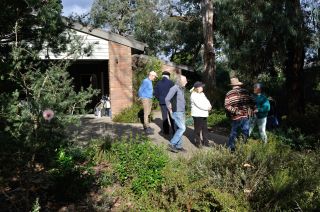
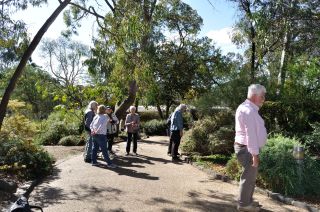
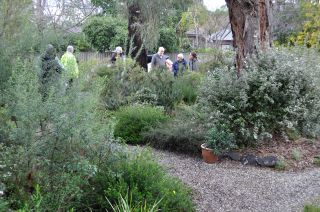
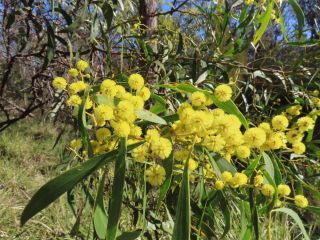
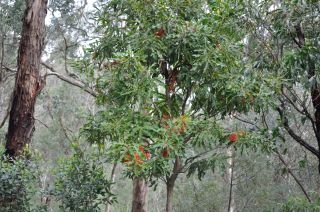
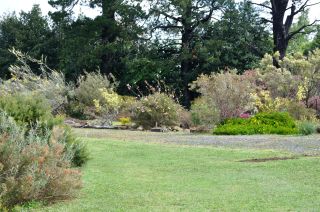
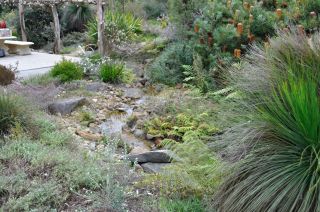
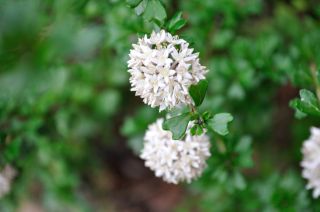
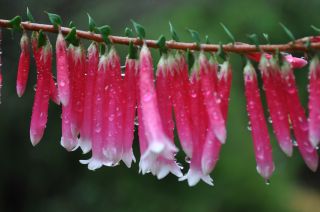
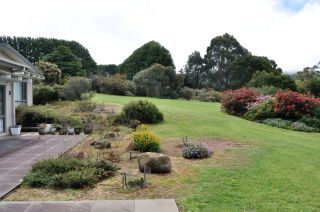
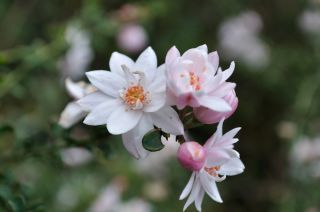
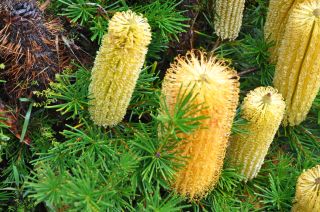
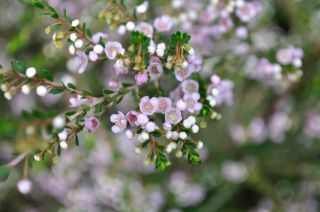
The two-hectare garden is one of our hidden jewels featuring more than 1400 different species of native plants, a retail plant nursery, community room and lovely views.
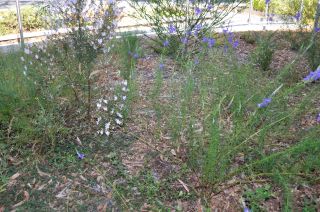
Established in 1965, Karwarra is one of the few public gardens where native plants are used exclusively, giving visitors the opportunity to see how they can be used effectively as part of a landscaped garden. It is owned and operated by Council with support and assistance from the 'Friends of Karwarra' group.
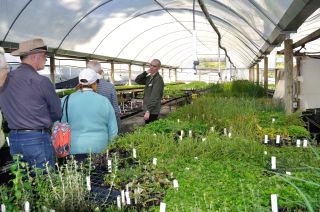
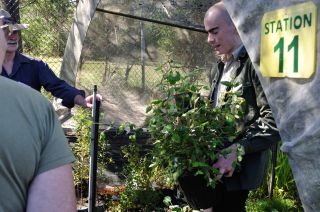
Karwarra has a well stocked plant nursery and staff can assist with the selection of plants suitable to your particular needs.
A small function room is also available for community groups. BBQ's and picnic tables are also available at the Kalorama Memorial Reserve.
Karwarra is located in the Kalorama Memorial Recreation Reserve, Kalorama
Website
Maranoa Botanic Gardens
Maranoa Botanic Gardens is the perfect spot for relaxing and immersing yourself in some of Australia’s most fascinating and unique flora.
Maranoa Botanic Gardens plays a significant role as one of the most diverse botanical displays of Australian plants. It is a rich resource for students, researchers, botanists and nature enthusiasts alike.
Follow the circuit path and discover a collection of around 4,000 native plant species, categorised into major vegetation groups from rainforest to arid zone.
Website
Yarran Dheran Nature Reserve
Yarran Dheran Nature Reserve forms part of the Mullum Mullum Valley and is an important riparian bushland park with an area of 7.2 hectares. It is located in Mitcham in the outer eastern suburbs of Melbourne. It is part of the one of the largest pockets of dry sclerophyll forest remaining in urban Melbourne with most of its vegetation being classified as Valley Heathy Forest. It provides a valuable habitat for native plants and animals, particularly birds, of which some 80 species may be seen over time. Website
Blackburn Lake Sanctuary
The Country of which the Sanctuary is a part, its creatures, lands, skies and waterways, has been continuously loved and cared for by the Wurundjeri Woi Wurrung peoples for over 60,000 years.
After European settlement, the Sanctuary was variously a place for picnics, a home and flower farm operated by the 'Adult Deaf and Dumb Society', and public open space.
In the 1960s a group of residents feared the loss of this environment and lobbied for the lake and its surrounds to be developed into a Sanctuary.
Today we are tremendously grateful to the Wurundjeri Woi Wurrung, and generations of local residents, who work to ensure the Sanctuary remains a place we can all enjoy and nurture.
Website
Wombolano Park
The reserve was donated to Council by Frank L Walker in 1954 for the purpose of using it as a public recreation space and is mostly covered by bushland. The Wombolano Sensory Trail starts at the Rotherwood Avenue car park and leads through a wetland area. Seasonal ponds can be viewed from several platforms along the trail. In the centre of the park is a playground with lawn area and public toilets. Website
Cheong Wildflower Sanctuary
Cheong Park was named after the Cheong family that settled in Croydon in 1899. The family purchased slightly over 100 hectares in the area bounded by Mt Dandenong Road, Bayswater Road and Eastfield Road. In 1923 the Cheong family began selling parcels of their land, commissioning Walter Burley Griffin and his wife Marion Mahony Griffin to plan the subdivision and landscape design, with the layout still in evidence in the area around Cheong Park. In 1948 the then Lillydale Shire Council (forerunner of Croydon Council) purchased 3 hectares of land with the family donating another 3 hectares to the Council to form the present day 6 hectare site of Cheong Park. Eastfield Rd, Croydon VIC 3136 Website
The 100 Acres Flora And Fauna Reserve
The 100 Acres Reserve is 41 hectares and classified as a Conservation Reserve of Regional significance. The Reserve also provides a range of recreation opportunities in a natural bush setting including walking, jogging, dog walking, horse riding and nature appreciation. A review of The 100 Acres Reserve Management Plan (1996) was completed in 2010 and improvements include continuing to improve the Reserve’s biodiversity, weed and pest control programs, protection of rare or threatened flora species, path upgrades, signage and changes to dog controls in high conservation areas. Website
Warrandyte State Park
Enjoy picnicking at Pound Bend Reserve, situated on the river flats. Follow the interpretive trail to learn about the history, culture and life of the Wurundjeri people. View the Yarra River as it flows through the Evelyn tunnel, a relic from Warrandyte’s gold history.
Pound Bend River Walk – 2.4km – 1hr return is a gentle and easy walk which will take you upstream along the Yarra River. Listen to the calls of the many birds as you walk through riparian forest dominated by towering manna gums.
Website
Chelsea Australian Garden
In 2013, Phillip Johnson, Wes Fleming and the Trailfinders team's ‘Australian Garden’ display became the first ever Australian entry to win at the Royal Horticultural Society’s Chelsea Flower Show. The display was toured by the Queen and Prince Harry and was unanimously voted ‘Best in Show’ by the judges. Now visitors can experience this stunning design through a re-creation of the display at 20 times the size of the original.
Located within the Dandenong Ranges Botanic Garden, the Chelsea Australian Garden at Olinda is a permanent display, featuring an enormous Waratah sculpture, waterfall and billabong. Over 15,000 plants have been used in the design, with over 400 different Australian species.
Website