On hearing that a piece of natural bushland was to be used as a car park, when the then, Victorian Railways Commissioners, had planned to duplicate the rail track from Heathmont to Ringwood, Fred Rogers wrote to the City of Ringwood suggesting that the land be purchased for preservation.
The Council was successful in obtaining a 99 year lease for the land.
Wire fencing was put up on three sides and on the Campbell St. frontage, galvanised pipe was erected which became the water supply for the reserve.
It was October 1967 that a proposal for maintaining the area as natural bushland, with some planting of showy Australian plants, was developed and forwarded to Ringwood Council.
At the February 1968 Maroondah Group Committee Meeting Fred was elected as leader of the Project.
In the meantime, the Council had accepted the development proposal and permitted Maroondah Group to act as Committee of Management for the bushland reserve.
A flurry of activity occurred during the remainder of 1968, with the help of Bill Bond, Margaret Collins, Jock and Peg McAllister, and many others.
Fred had weeding, planting and cleaning of rubbish well underway, also some trees were removed and 2 rockeries established.
Fred donated proceeds from a booklet he wrote on Banksias to help over the purchase of plants.
As time passed, Ken Foreman, a neighbour of the reserve, became interested and not only kept an eye on things, but was actively involved.
Working bees were now only necessary to maintain the mown strips and cleaning of dumped rubbish.
The Acacias, Hakeas, Banksias and Grevilleas planted were well established when during September 1973, the reserve officially became know as the F.J.C. Rogers Reserve and the care and maintenance being taken over by Ringwood Council.
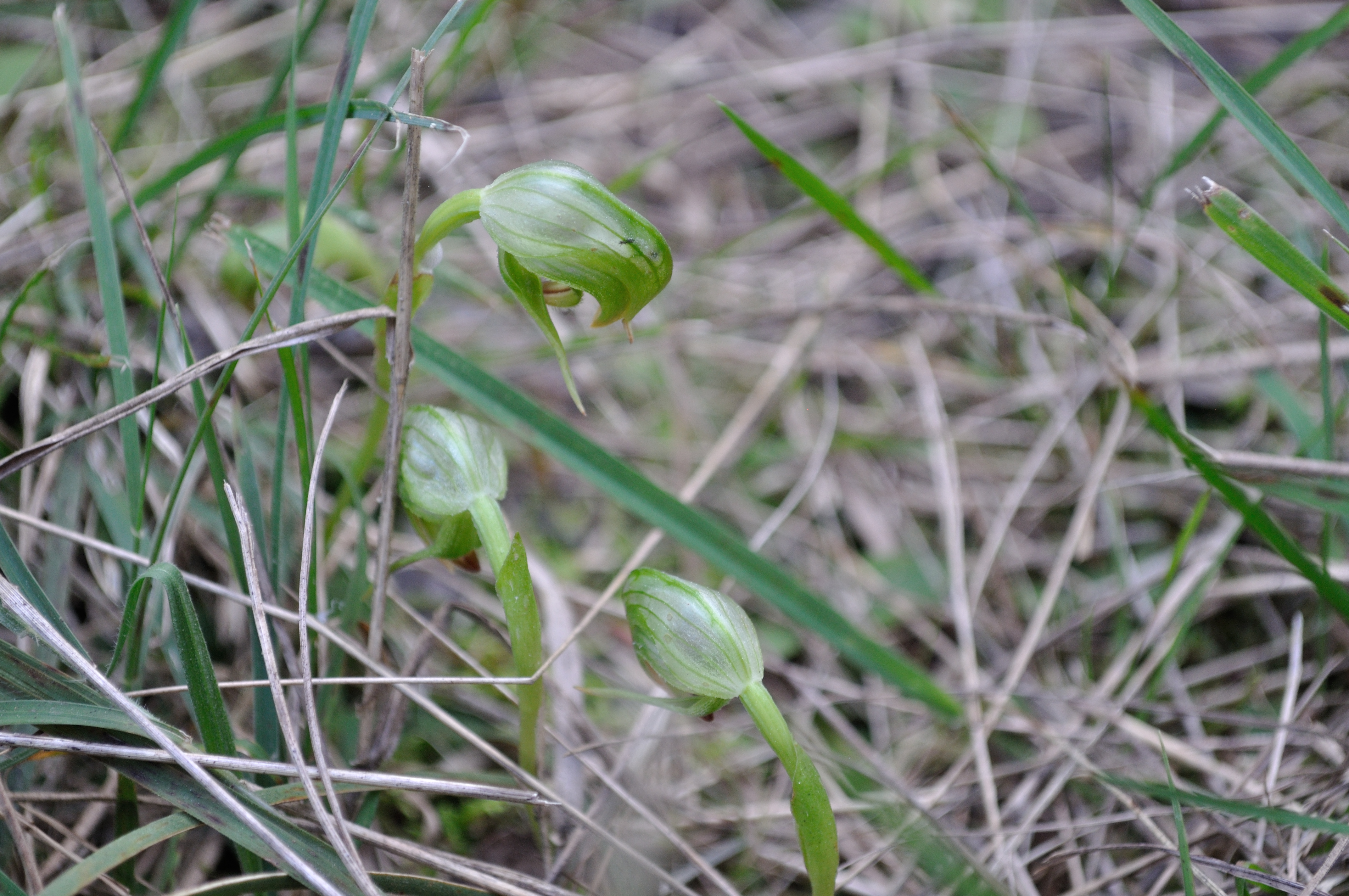
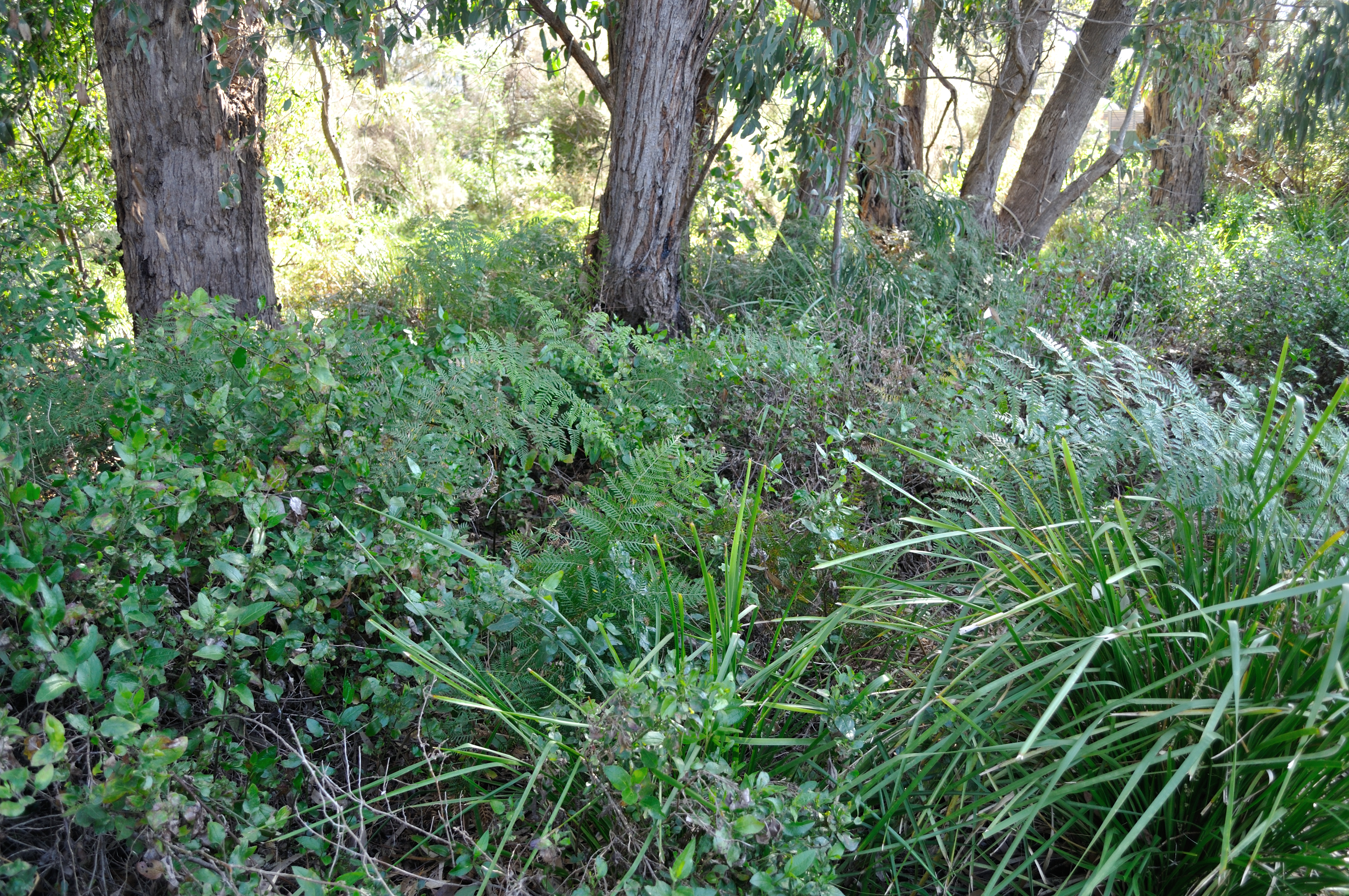
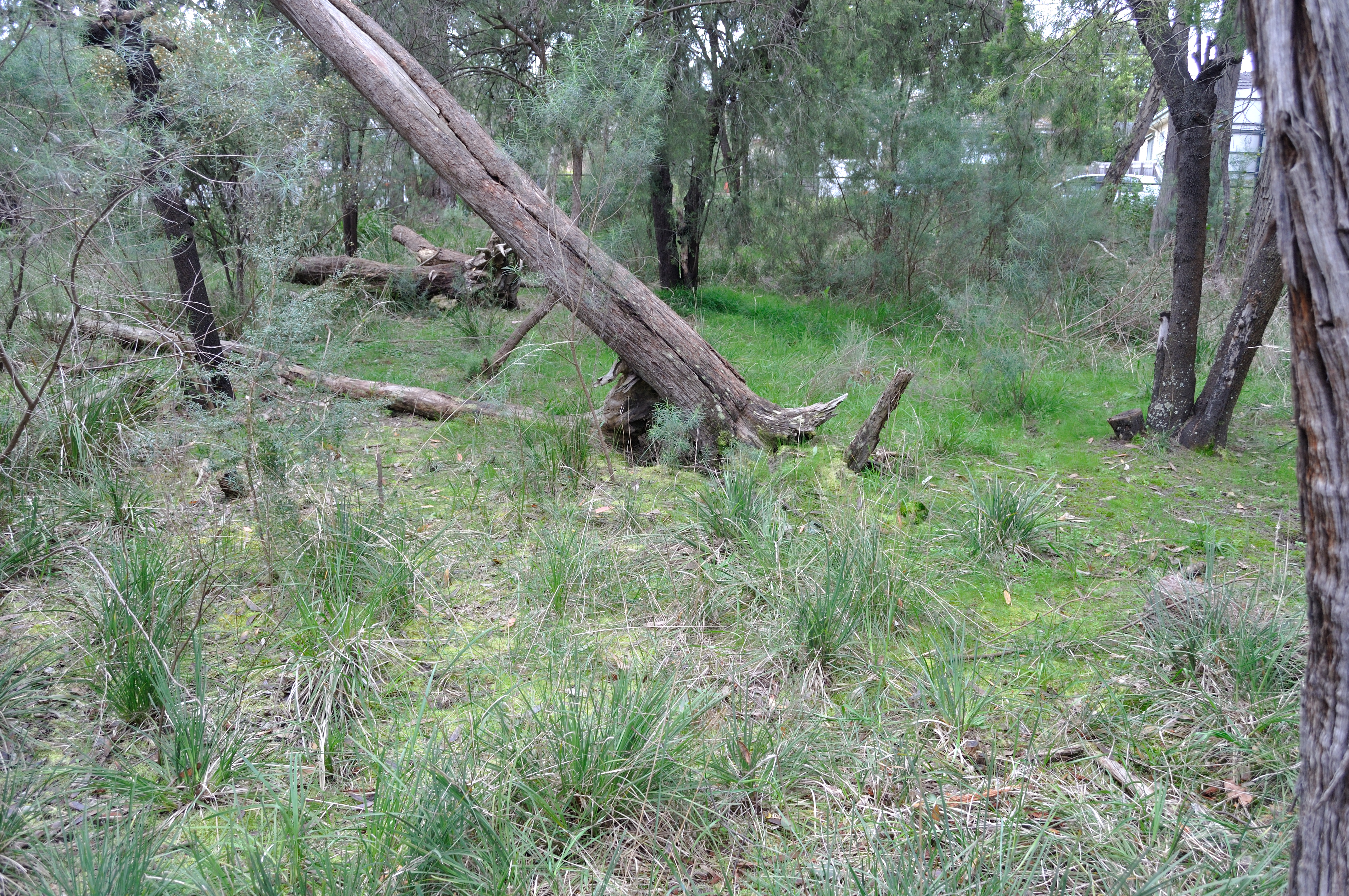
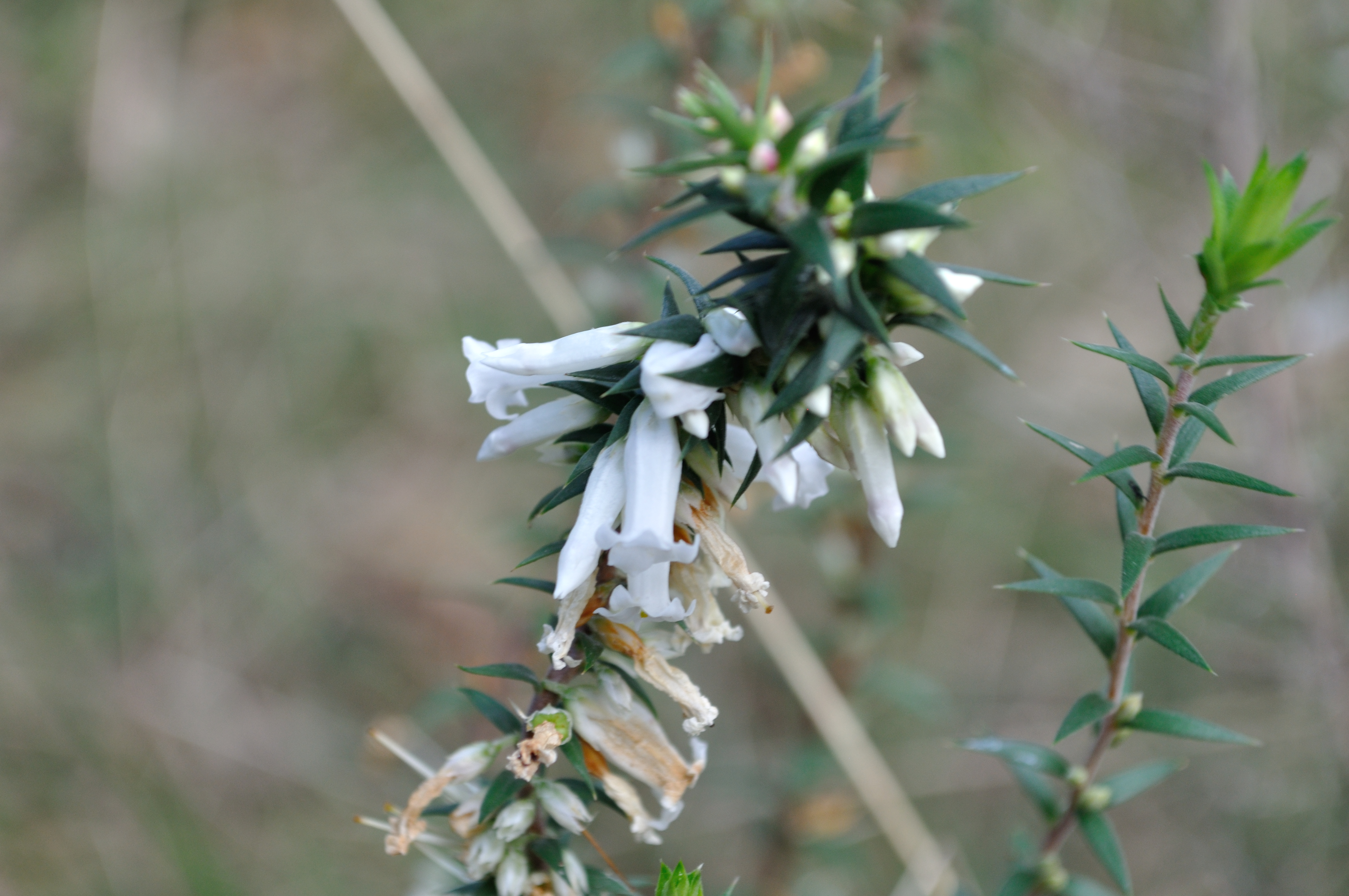
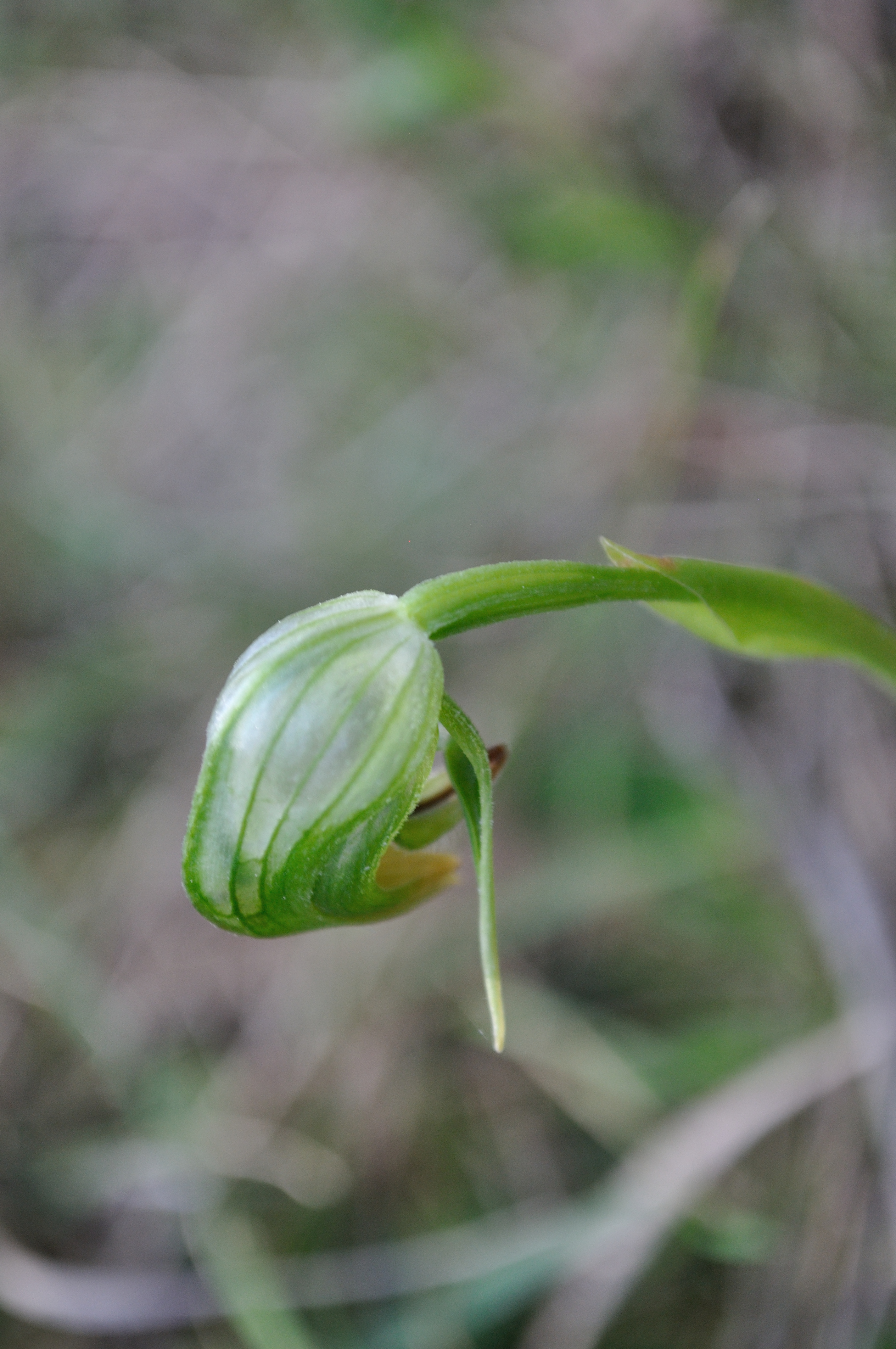
In the natural areas, one can find abundant Epacris, Dillwynias, Pultenaea gunnii and Platylobium obtusangulum, with Hovea Helichysum amidst the natural grasses. Visit the reserve at the right time of the year and you will enjoy the sight of many Pteristylis nutans, Diuris species, Acianthus cordatus and Erichilus cuculatus.
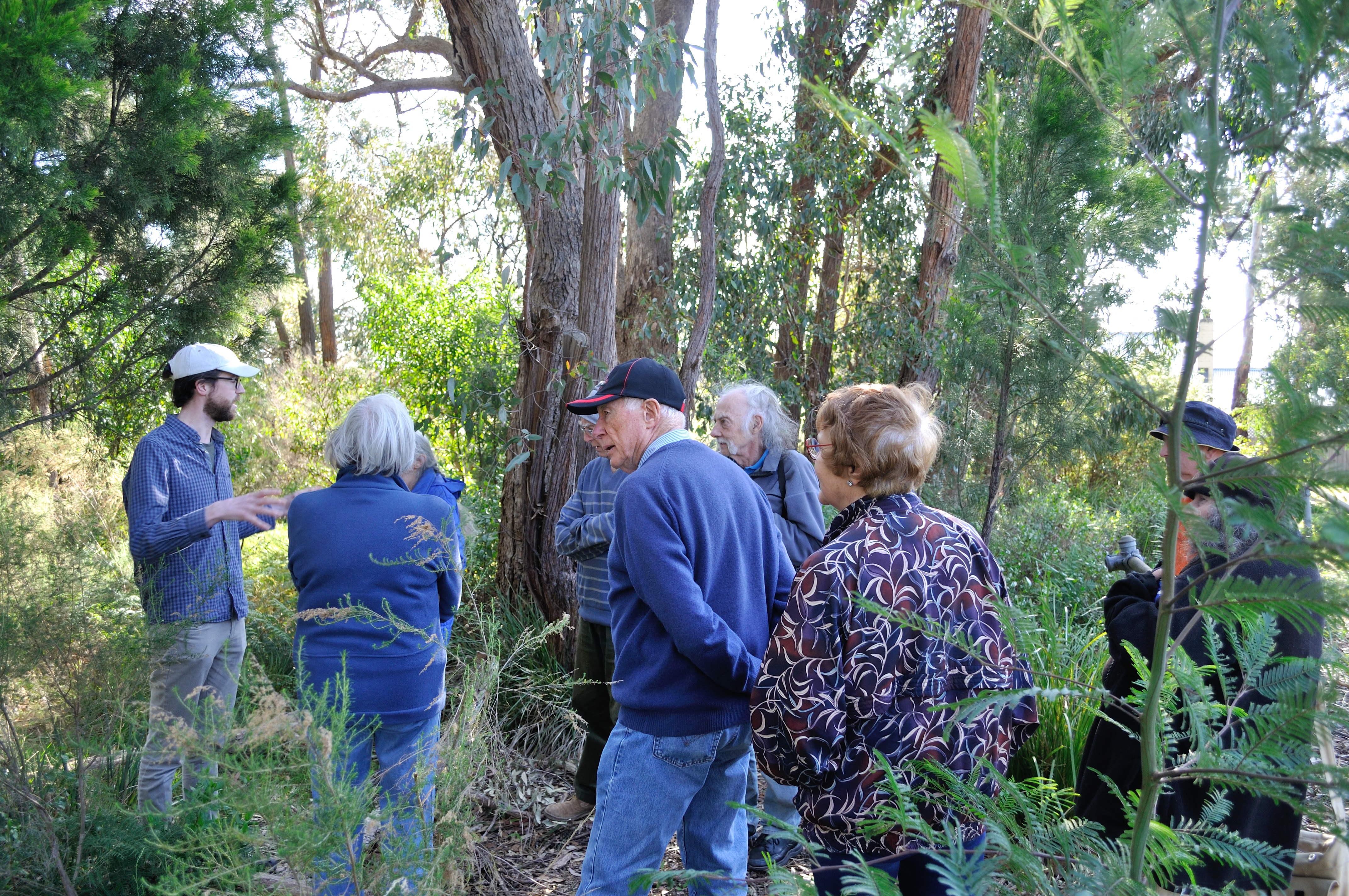
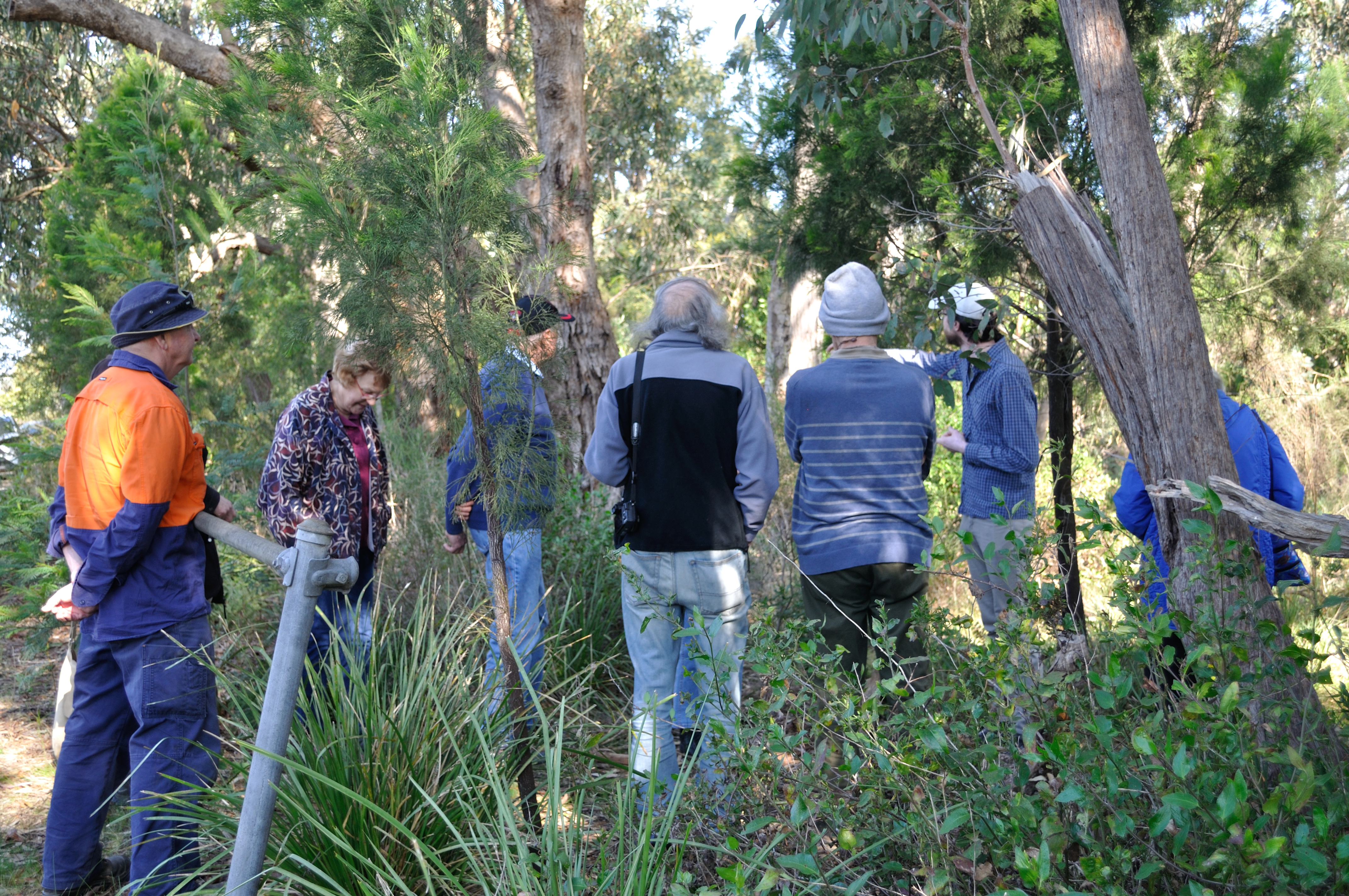
Unfortunately, the reserve had been allowed to decline to such a state that in 1985, the Committee accepted Bruce Schroeder's offer to lead working bees in an effort to return the reserve to its best for 1987.
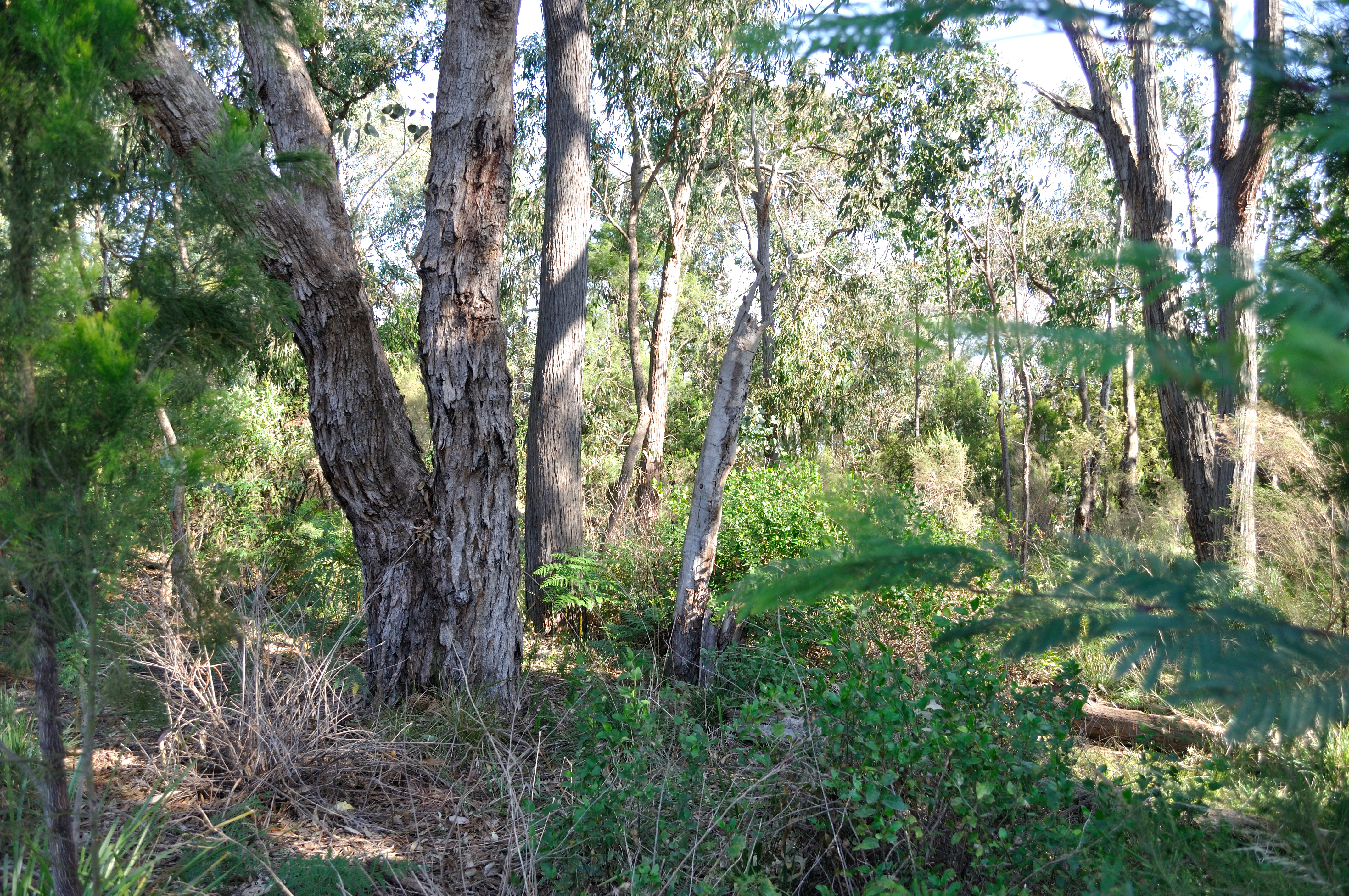
Having literally removed mountains of Watsonia and Blackberries, and with some recent plantings, the reserve is becoming once again a worthy piece of natural bushland amongst suburbia. Some recent plantings have helped preserve the original concept.
APS Maroondah undertakes maintenance in this Reserve, located in Campbell Street, Heathmont, which is alongside the Heathmont Railway Station, on a needs basis.
Flora at FJC Rogers Reserve
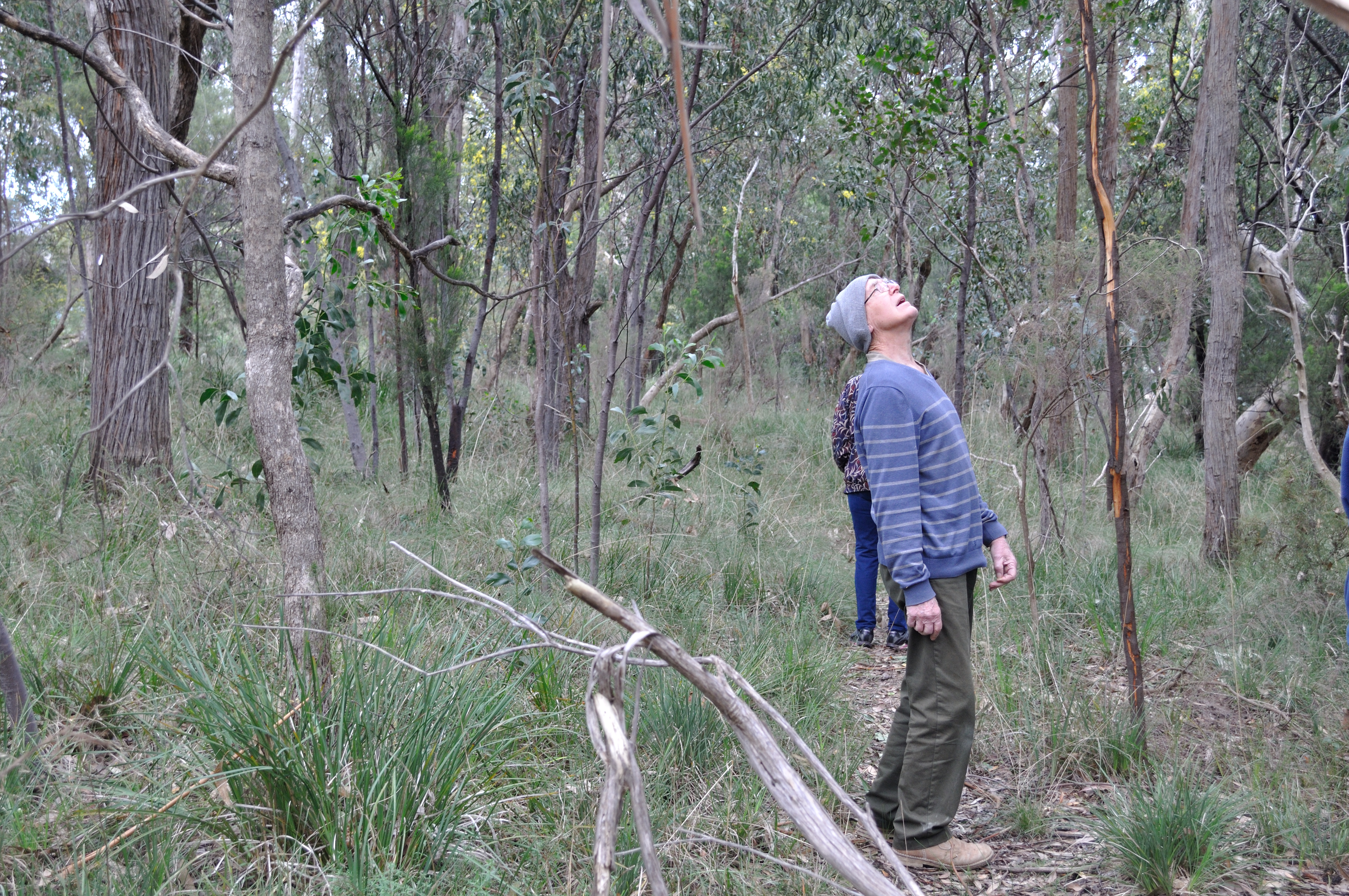
FJC Rogers Reserve has been classified as vegetation type Valley Heathy Forest.
The following list represents some of the common and some of the rare and significant (*) plants found in the reserve.
Upper storey
Red Stringybark - Eucalyptus macrorhyncha, Narrow-leaf Peppermint – Eucalyptus radiata, Messmate – Eucalyptus obliqua, Bundy – Eucalyptus goniocalyx,Middle storey
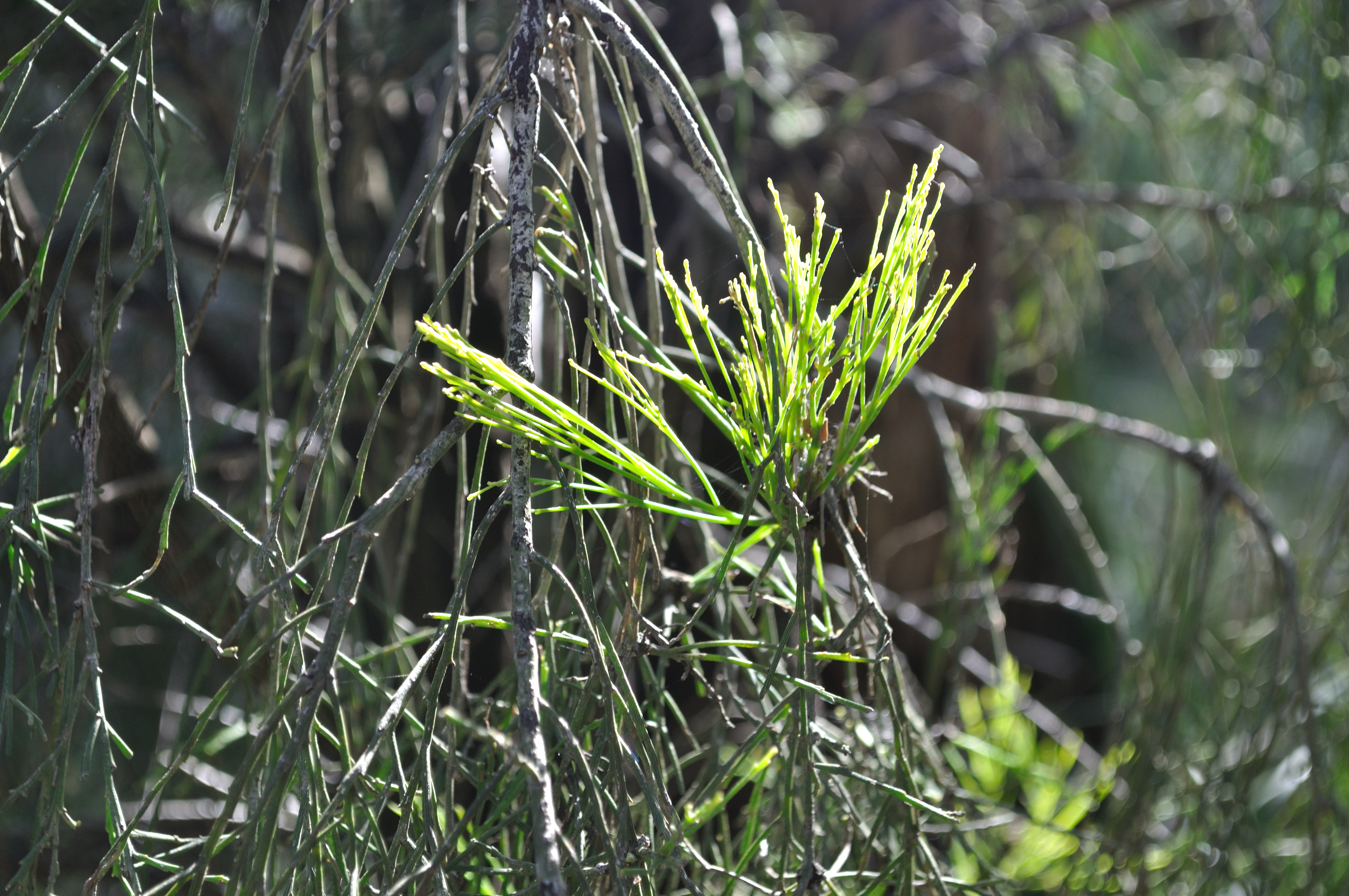
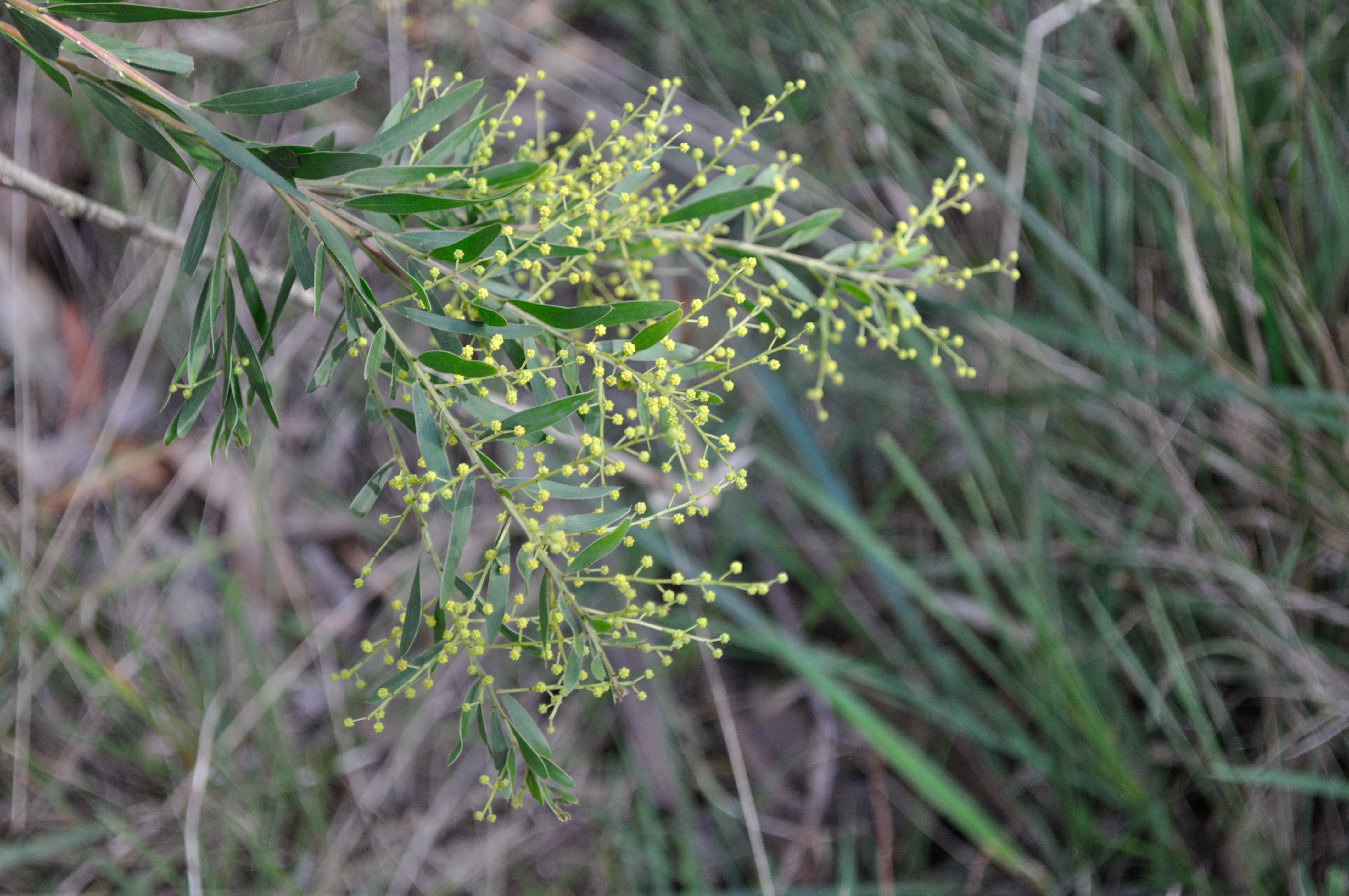
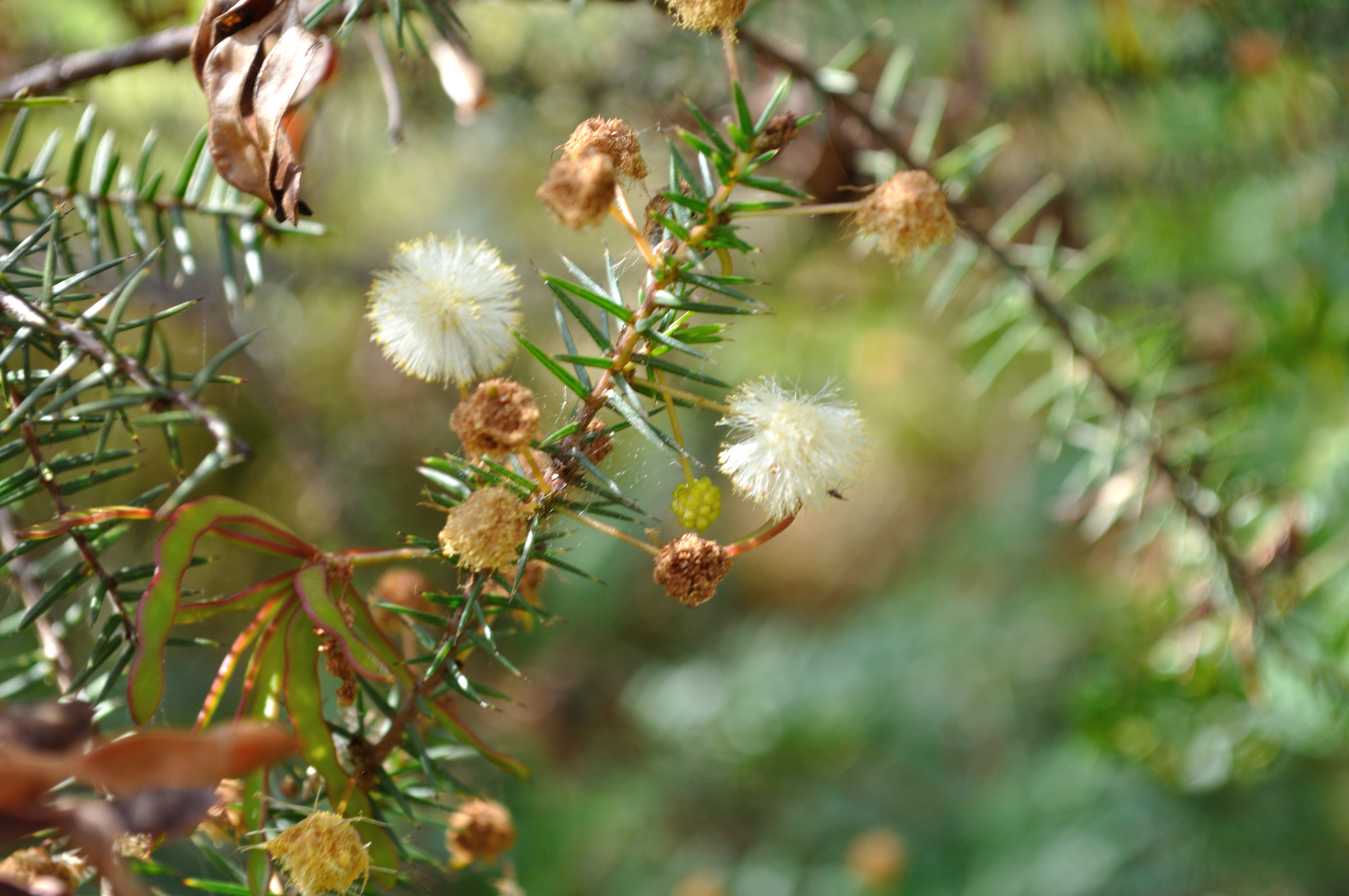
Silver Banksia – Banksia marginata*, Hazel Pomaderris – Pomaderris aspera, Prickly Moses - Acacia verticillata, Juniper wattle - Acacia ulicifolia*, Victorian Christmas Bush – Prostanthera lasianthos, Tree Everlasting - Ozothamnus ferrugineus, Myrtle Wattle – Acacia myrtifolia, Shiny Cassinia – Cassinia longifolia, Sweet Bursaria – Bursaria spinosa,Lower storey
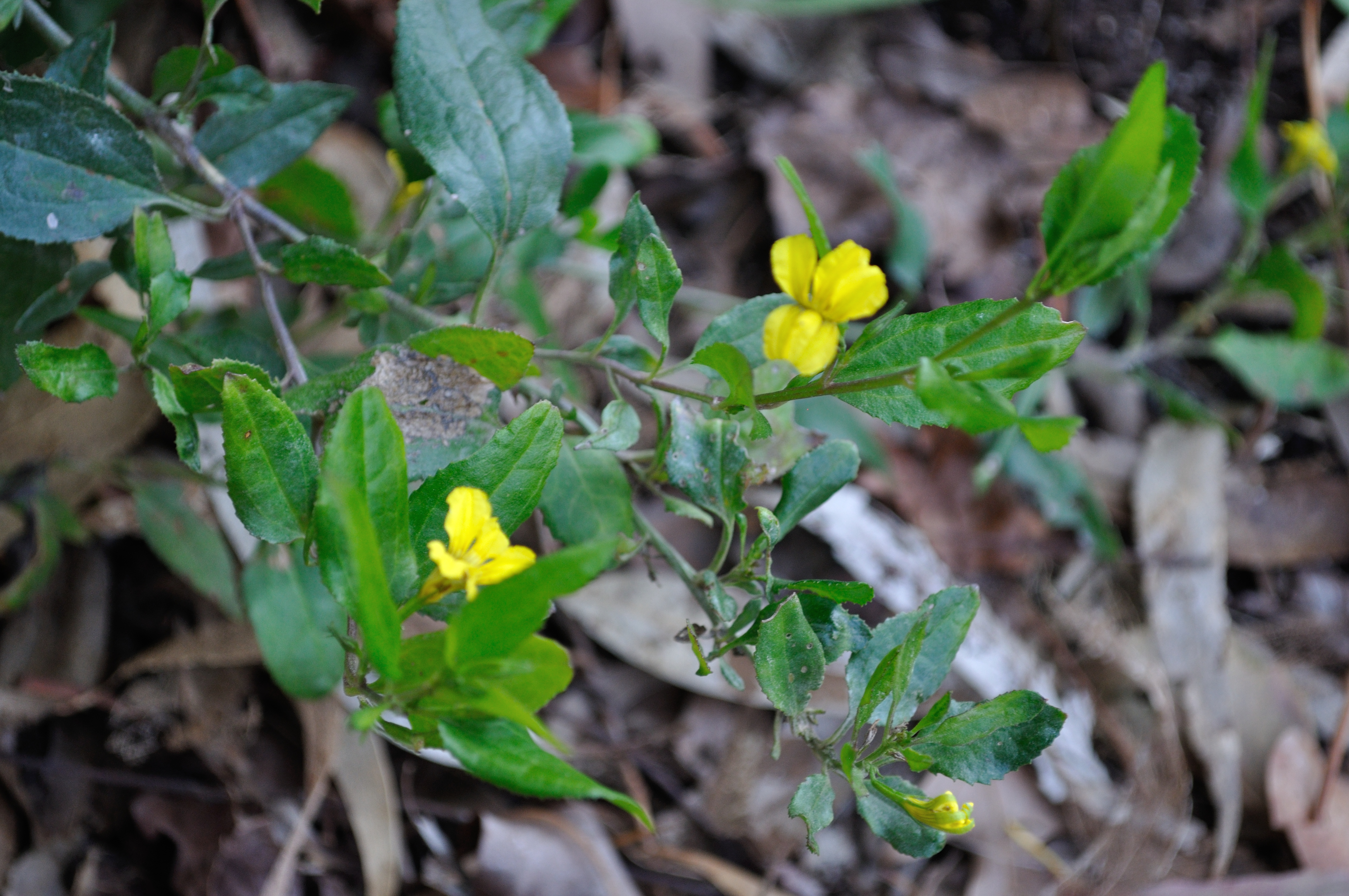
Common Appleberry – Billiardiera scandens, Tall Sundew - Drosera peltata subsp. auriculata*, Common Hovea – Hovea linearis, Handsome Flat-pea - Platylobium formosum, Common Correa – Correa reflexa, Erect Guinea-flower - Hibbertia riparia, Small St John's Wort – Hypericum gramineum, Trailing Goodenia - Goodenia lanata, Purple Coral-pea - Hardenbergia violaceaGrasses, Sedges and Rushes
Red-anther Wallaby-grass - Joycea pallida, Slender Sword-sedge - Lepidosperma gunnii*, Wattle Mat-rush - Lomandra filiformis, Leafy Wallaby-grass - Austrodanthonia linkii var. fulva, Purple-sheathed Tussock - Poa ensiformisLilies and Orchids
Wallflower Orchid - Diuris orientis*, Leopard Orchid - Diuris pardina*, Wax-lip Orchid - Glossodia major, Blue Stars - Chamaescilla corymbosa*